
Korea’s trend signals are getting unusually consistent right now, and that’s what makes them worth paying attention to. Across very different topics, one pattern keeps repeating: audiences no longer respond to “big messages” alone. They respond to experiences that fit their context, live in their daily routines, and support how they feel—then spread because they look and feel real.
Online and offline are no longer separate and audiences expect one seamless experience that fits real life. Based on insights from Korea’s trend site Careet, here are four Korea-led trend signals for 2026—in one quick read.

Personalized participation is the new marketing standard
In marketing, brands are converging on one-to-one experiences that invite participation and spark sharing.
Today’s marketing references are shifting from one-way exposure to personal relevance and active participation. CRM and push notifications are no longer “alerts,” but micro-content—triggered by time, place, and real-life conditions to feel like a 1:1 interaction. In parallel, offline activations are evolving into cultural scenes: IP collaborations make complex topics easier to enter and deeper to explore, while subculture-led formats (graffiti, DJ, nightlife-coded spaces) signal authenticity. OOH follows the same logic—moving beyond static visibility into physical, real-world moments that people naturally film, post, and spread.
Merch is becoming a lifestyle medium, not just a collectible
Goods are evolving into identity tools and daily-use objects built for meaning, utility, and sharing.
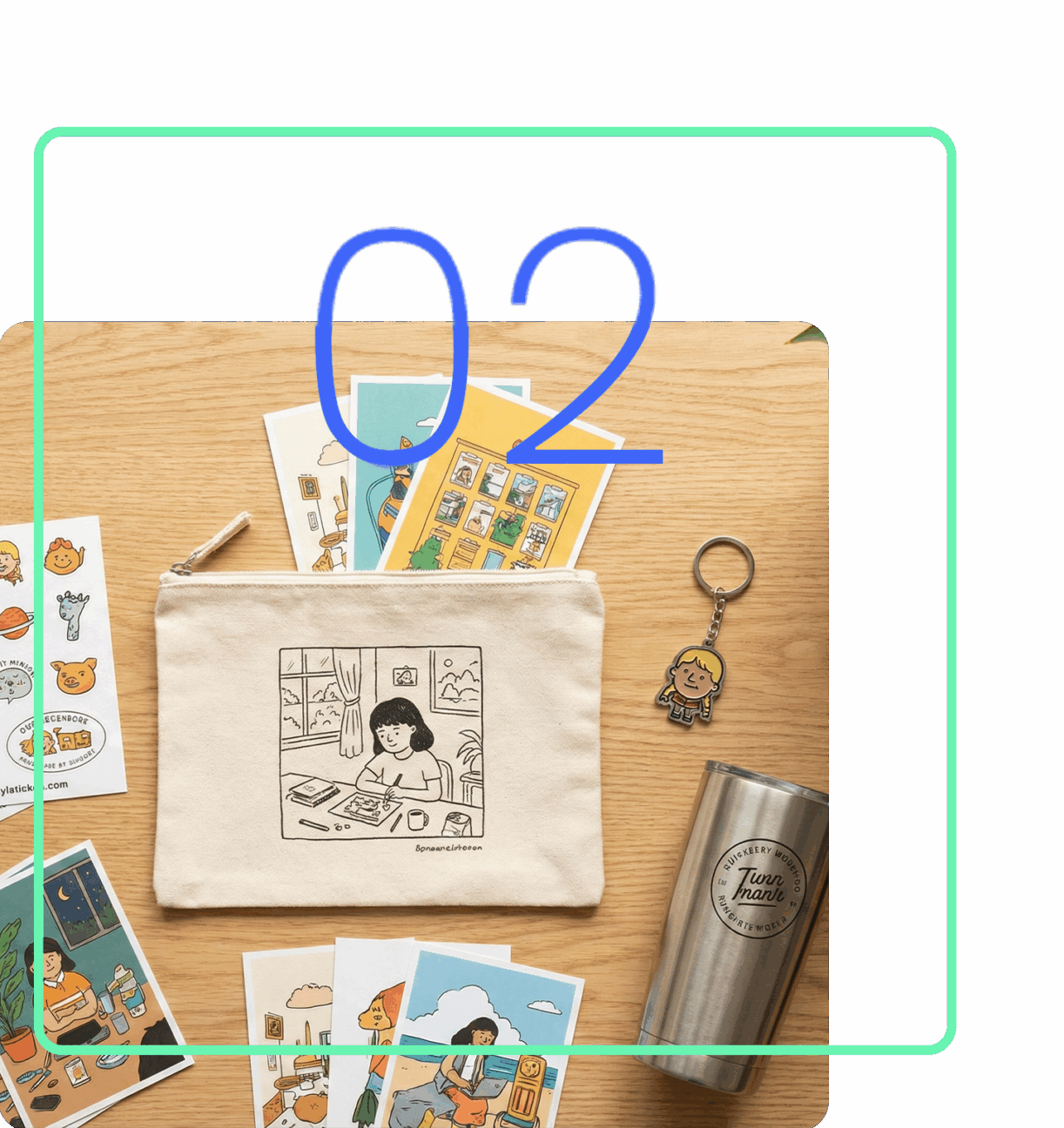
Across Korea, merch is expanding beyond fandom into a broader lifestyle economy, where objects express taste, belonging, and brand worlds. Brands increasingly design goods not as souvenirs, but as small media made to be used, displayed, and shared. The market also branches into clear growth lanes, for example curated local crafts driven by maker stories, as seen in Seongsu-dong Gorilla’s place-led editions, Kyobo Bookstore activating reading-and-stationery culture through formats like templates and NFC-linked items, and McDonald’s Korea showing practical utility through limited products built on local ingredients, such as sweet potato collaborations. The strongest momentum sits where story meets usability, amplified by limited drops, curation, and personalization.
Meta-sensing is the next mega-trend
Emotional self-management is becoming everyday literacy, not just self-awareness.
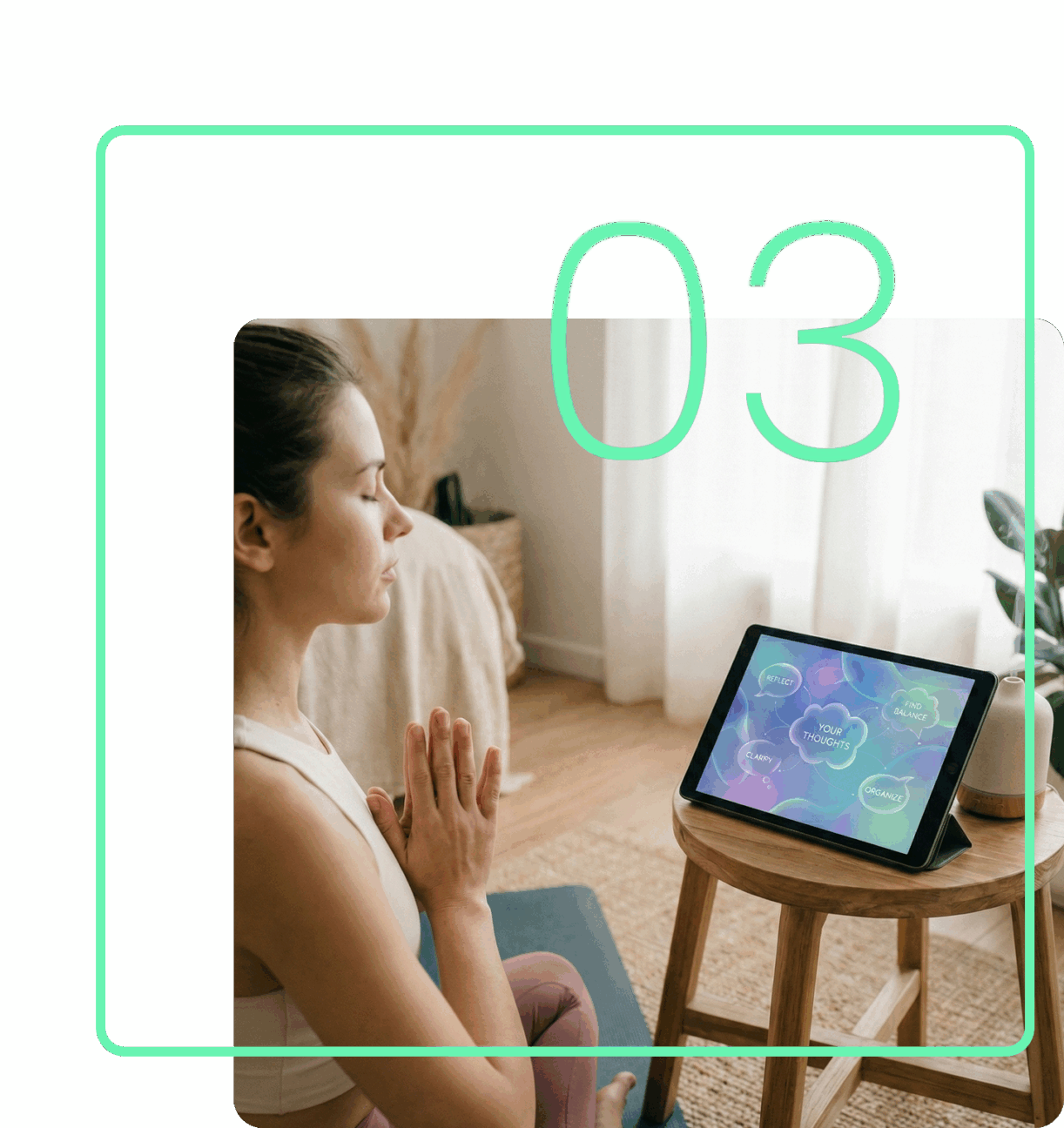
“Meta-sensing” describes a shift from simply experiencing emotions to actively sensing and regulating them. In Korea, Gen Z increasingly treats mood, stress, and mental bandwidth as something to monitor and design around—using self-frameworks (e.g., MBTI/HSP, CBT language), lifestyle rituals (sleep, tea, quiet routines), and AI companions to process thoughts and choose coping actions. Emotions are no longer “private noise”; they are becoming structured data and everyday practice. This is why brands that resonate in 2026 won’t just aim to “move people”—they will create experiences that help audiences feel calmer, clearer, and more in control.
Experience platforms will replace one-off campaigns
The next era of experiential marketing is not a moment. It’s a system people can join, use, and carry into real life.
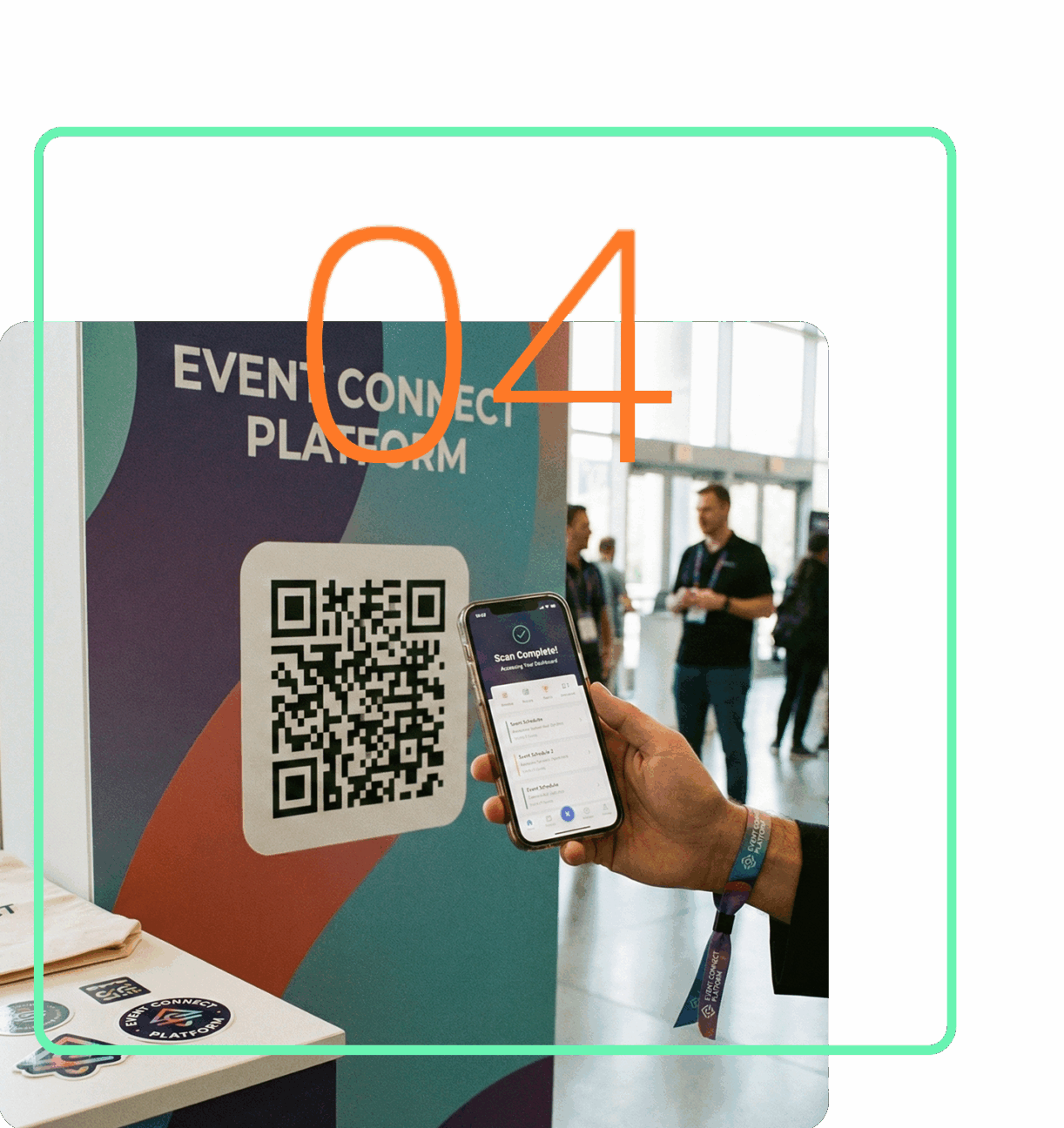
Korea’s trend signals point to one direction: experiences must be personal, usable, and emotionally supportive—while global expectations demand sincerity through real behavior and shared value. The strongest model connects four forces into one loop: context-based personalization (messages that react to real life), lifestyle artifacts (merch that extends the story), emotional support (meta-sensing needs), and operationalized responsibility (sustainability as tangible choices, not messaging). In this framework, CRM becomes content, the physical space becomes filmable proof, and the take-home object becomes continuation. The key question for 2026 is simple: are we creating a short-lived moment—or building a system people want to live with?
Want more insights? Stay tuned for our upcoming trend reports.
Contact us if you need support with event planning or strategy!